
Why the Best Soil for Indoor Pothos Makes or Breaks Your Plant
The best soil for indoor pothos is a well-draining, nutrient-rich mix that balances moisture retention with good airflow — typically a base of indoor potting mix amended with perlite, orchid bark, and coco coir.
Quick answer — what to use:
| Component | Amount | Purpose |
|---|---|---|
| Indoor potting mix | 2 parts | Base nutrients and structure |
| Perlite | 1 part | Drainage and aeration |
| Orchid bark | 1 part | Chunky airflow, prevents compaction |
| Coco coir | ½ part | Gentle moisture retention |
Key soil requirements at a glance:
- Well-draining — never soggy or waterlogged
- Lightly aerated — roots need oxygen, not just water
- Nutrient-rich — organic matter supports steady growth
- Slightly acidic to neutral — pH between 6.0 and 7.0
Pothos are famously forgiving. They tolerate low light, missed waterings, and cramped pots. But even the toughest houseplant has one non-negotiable: soil that doesn’t drown its roots.
Get the soil wrong and you’ll see yellowing leaves, wilting vines, and eventually root rot — the silent killer of indoor plants. Get it right, and your pothos will reward you with thick, trailing vines and vibrant leaves.
The reason comes down to where pothos actually comes from. In its native Southeast Asian rainforests and the Solomon Islands, pothos grows across the forest floor and climbs up tree trunks, anchoring its roots in loose, organic-rich material — think decomposing leaves, bark, and natural debris. Not dense, compacted ground soil.
That natural environment is your blueprint.

Introduction and the Natural Habitat of Pothos
To truly understand the best soil for indoor pothos, we have to look at its “home address.” Known scientifically as Epipremnum aureum, and commonly as Devil’s Ivy, this plant is native to the tropical rainforests of Southeast Asia and the Solomon Islands.
In the wild, pothos isn’t just sitting in a pot of dirt. It is a vigorous climber. It starts on the rainforest floor in a layer of “duff”—a loose, airy mixture of decaying leaves, fallen branches, and rich organic matter. As it matures, it sends out aerial roots to grip onto tree trunks, pulling nutrients and moisture from the humid air and the debris trapped in the bark.
This tells us two vital things about its soil needs:
- It hates compaction: Rainforest debris is chunky and full of air pockets.
- It loves organic “humus”: It thrives on the nutrients provided by decaying plant matter.
When we bring a pothos into our homes, we are asking it to live in a much more confined space. If we use heavy, dense soil, those roots—which are evolved to breathe—will essentially suffocate. Mimicking that tropical forest floor is the secret to those 10-foot-long vines you see in magazines.
Key Characteristics of the Best Soil for Indoor Pothos
What does “good” actually look like in a bag of dirt? For a pothos, it’s all about balance. The soil needs to hold onto enough water so the plant doesn’t wilt, but it must let go of the excess quickly enough that the roots don’t sit in a swamp.
| Feature | What it Does | Best Ingredients to Achieve It |
|---|---|---|
| Drainage | Prevents water from pooling at the bottom | Perlite, coarse sand, horticultural charcoal |
| Aeration | Creates air pockets so roots can “breathe” | Orchid bark, pumice, coconut husk chips |
| Moisture Retention | Holds a “reservoir” of water for the plant | Coco coir, peat moss, vermiculite |
| Nutrients | Provides the “food” for growth | Compost, worm castings, slow-release fertilizer |
The best soil for indoor pothos should also maintain a specific chemical balance. Pothos prefer a slightly acidic to neutral pH range, ideally between 6.0 and 7.0. This range is the “sweet spot” where the plant can most easily absorb minerals like nitrogen and magnesium from the soil. If the soil becomes too alkaline (above 7.0), you might notice stunted growth or yellowing leaves, even if you are fertilizing regularly.
Essential Ingredients for the Best Soil for Indoor Pothos
If you want to move beyond basic “off-the-shelf” dirt, you need to know your amendments. While you can find a solid best soil for indoor plants to use as a foundation, adding these specific ingredients will take your pothos from “surviving” to “thriving”:
- Coco Coir: This is a sustainable alternative to peat moss made from coconut husks. It holds moisture incredibly well but doesn’t compact as easily as peat. Plus, it has a more neutral pH.
- Perlite: These little white “popcorn” looking bits are actually volcanic glass. They are essential for drainage. They don’t absorb water; they create space for it to flow through.
- Orchid Bark: This provides the “chunkiness” that mimics a tree trunk. It breaks down slowly, providing long-term aeration.
- Worm Castings: Think of this as nature’s multivitamin. It’s rich in microbes and gentle nutrients that won’t burn your plant’s roots.
- Horticultural Charcoal: This helps “sweeten” the soil by absorbing impurities and preventing the buildup of odors and bacteria—especially helpful if your pot doesn’t have the best airflow.
Customizing the Best Soil for Indoor Pothos by Watering Style
We all have different “plant parent” personalities. Some of us are “helicopter parents” who water every time we walk by, while others are “forgetful philosophers” who remember the plant once a month. Your soil mix should reflect your habits.
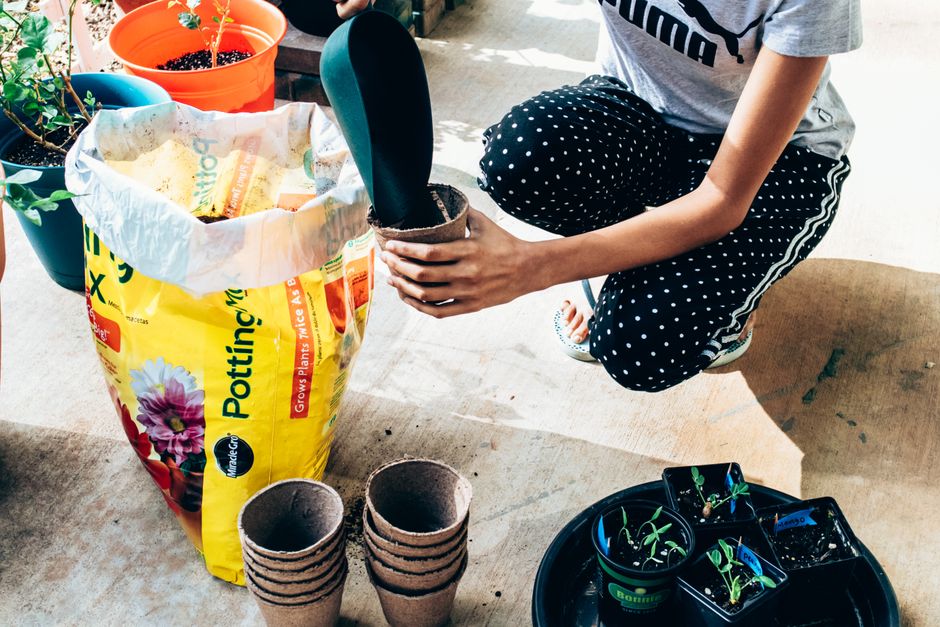
For the Overwaterer (The “Love it to Death” Mix): If you find yourself watering frequently, you need a “chunky” mix that drains almost instantly.
- Ratio: 1 part potting soil, 1 part perlite, 1 part orchid bark.
- Why: This mix has so many air pockets that it’s nearly impossible to cause root rot.
For the Under-waterer (The “Set it and Forget it” Mix): If you often forget your pothos until the leaves are drooping, you need a mix that holds onto moisture longer.
- Ratio: 2 parts coco coir or peat moss, 1 part perlite, 0.5 part vermiculite.
- Why: The high ratio of coir and vermiculite acts like a sponge, keeping the roots hydrated for several extra days.
Maintenance: When to Refresh and Repot Your Pothos
Even the best soil for indoor pothos doesn’t last forever. Over time, the organic matter breaks down and compacts, and the plant uses up all the available nutrients.
How often should you repot? Most pothos plants benefit from a soil refresh every 1 to 2 years. Spring is the ideal time to do this, as the plant is entering its active growth phase and can recover quickly from the move.
Signs it’s time for a change:
- The “Clogged Drain” Effect: When you water, the liquid sits on top of the soil for a long time before soaking in. This means the soil is compacted.
- Roots on the Run: If you see roots poking out of the drainage holes or circling the top of the soil, your plant is “root-bound.”
- Yellowing and Wilting: If the leaves are turning yellow despite proper light and water, the soil may be depleted of nutrients or the pH may have shifted.
- The Salt “Crust”: A white, crusty buildup on the soil surface or the pot rim indicates mineral and salt buildup from tap water.
When you repot, you don’t always need a giant new container. If the plant hasn’t outgrown the pot, you can simply remove the old soil, trim any mushy or dead roots, and replace it with a fresh batch of your DIY mix. This “refresh” gives the plant a massive boost of oxygen and nutrients.
Common Mistakes to Avoid with Pothos Soil
We’ve seen it all, and most pothos tragedies can be traced back to a few common soil blunders. Avoid these to keep your vines trailing:
- Using Garden Soil: Never, ever use dirt from your backyard in an indoor pot. Garden soil is too heavy, doesn’t drain well in containers, and often contains pests, weed seeds, and bacteria that thrive in the warm, stagnant air of a home.
- The “No-Drainage” Trap: If your pot doesn’t have a hole in the bottom, the “best” soil in the world won’t save your plant. Water will pool at the bottom, turn the soil into a swampy mess, and cause root rot within weeks. If you love a decorative pot with no holes, use it as a “cachepot”—keep the plant in a plastic nursery liner inside the pretty pot.
- Ignoring Compaction: Over time, watering “packs down” the soil. Occasionally taking a chopstick and gently poking holes in the soil (aerating it) can help get oxygen back to the roots between repottings.
- Over-fertilizing: More isn’t always better. If you use a soil mix that already has slow-release fertilizer or compost, wait a few months before adding liquid food. Too much fertilizer can lead to “salt burn,” which shows up as brown, crispy leaf tips.
Frequently Asked Questions about Pothos Soil
Can I use succulent or cactus soil for my pothos?
Yes, but with a “but.” Succulent soil is designed for extreme drainage, which is great for preventing rot. However, it often lacks the moisture retention a tropical plant like a pothos needs. If you want to use it, we recommend mixing it 50/50 with coco coir or a standard indoor potting mix to give it a bit more “holding power.”
What is the ideal pH for pothos soil and how do I test it?
As mentioned, the sweet spot is 6.0 to 7.0. You don’t need to be a scientist to check this. You can buy a simple digital pH meter or use paper test strips from a garden center. If your soil is too alkaline (common if you have “hard” tap water), you can lower the pH slightly by adding organic matter like peat moss or a tiny bit of sulfur. If it’s too acidic, a sprinkle of garden lime can bring it back up.
Do different pothos varieties like Marble Queen or Neon need different soil?
Generally, no. Whether you have a classic Golden Pothos, a variegated Marble Queen, a bright Neon, or a crinkly N’Joy, their root systems all crave the same airy, well-draining environment. However, keep in mind that variegated varieties (like Marble Queen) grow a bit slower because they have less chlorophyll. They might take longer to “drink” the water in their soil, so they are slightly more prone to overwatering issues. A slightly “chunkier” mix is often safer for these beauties.
Conclusion
At FinanceBillX, we believe that building a sustainable indoor jungle shouldn’t be a chore. It starts with a solid foundation—literally. By moving away from dense, “one-size-fits-all” dirt and embracing a mix that mimics the tropical rainforest, you are setting your pothos up for years of lush growth.
Remember:
- Prioritize drainage and aeration.
- Aim for a pH of 6.0-7.0.
- Refresh your soil every 1-2 years.
With the right potting mix, you’ll stop treating your pothos like dirt and start treating it like the tropical royalty it is. Your plant will thank you with bigger leaves, thicker vines, and a vibrant green presence that transforms your home.
Start your indoor garden journey today and give your plants the home they deserve!
