
Why Spider Mites Are Every Indoor Plant Lover’s Worst Nightmare
A natural spider mite solution is exactly what you need if you’ve spotted tiny webs or yellowing leaves on your houseplants. Here are the most effective options:
- Neem oil spray – Mix 1 tbsp neem oil, a few drops of dish soap, and 1 liter of water. Spray every 7-14 days.
- Isopropyl alcohol + soap – Mix 4 oz of 92% isopropyl alcohol, 12 oz water, and 2 tbsp dish soap. Spray every 2-3 days for 2 weeks.
- Insecticidal soap – Mix 1 tbsp mild liquid soap with 1 liter of water. Reapply every few days.
- Diatomaceous earth – Dust lightly on affected leaves. Reapply every 5-7 days or after watering.
- Essential oil spray – Combine peppermint, rosemary, or neem oil with water and a small amount of soap.
- Predatory mites – Introduce species like Phytoseiulus persimilis to eat spider mites naturally.
- Increase humidity – Spider mites hate moisture. Aim for around 70% relative humidity.
Spider mites are sneaky. They’re barely visible to the naked eye, yet they can devastate a thriving indoor plant in days.
These tiny pests belong to the family Tetranychidae — making them closer to spiders and ticks than actual insects. They pierce plant cells and suck out the chlorophyll, leaving behind yellow speckles, brittle leaves, and that telltale fine webbing stretched across stems and leaf undersides.
There are nearly 1,200 species of spider mites. The red spider mite is the most common culprit on houseplants. And they love warm, dry apartment conditions — basically your living room in summer.
The good news? You don’t need harsh chemicals to fight back. In fact, chemicals often make things worse by killing off the beneficial insects that naturally keep mite populations in check. Natural solutions are safer for your home, your air quality, and your plants.
But here’s the catch: you need to act fast. Spider mites reproduce at a staggering rate — one mature female can produce around a million mites in a single month. A small problem becomes a full infestation before you know it.
This guide walks you through everything — from identifying an early infestation to the best home remedies, commercial organic products, and long-term prevention strategies.

Identifying the “Borg”: Early Detection and the Need for Speed
In the gardening world, some growers jokingly refer to spider mites as “the Borg” because of their collective ability to take over a plant and their frustrating resistance to treatment. Early detection is your only real hope for an easy win.
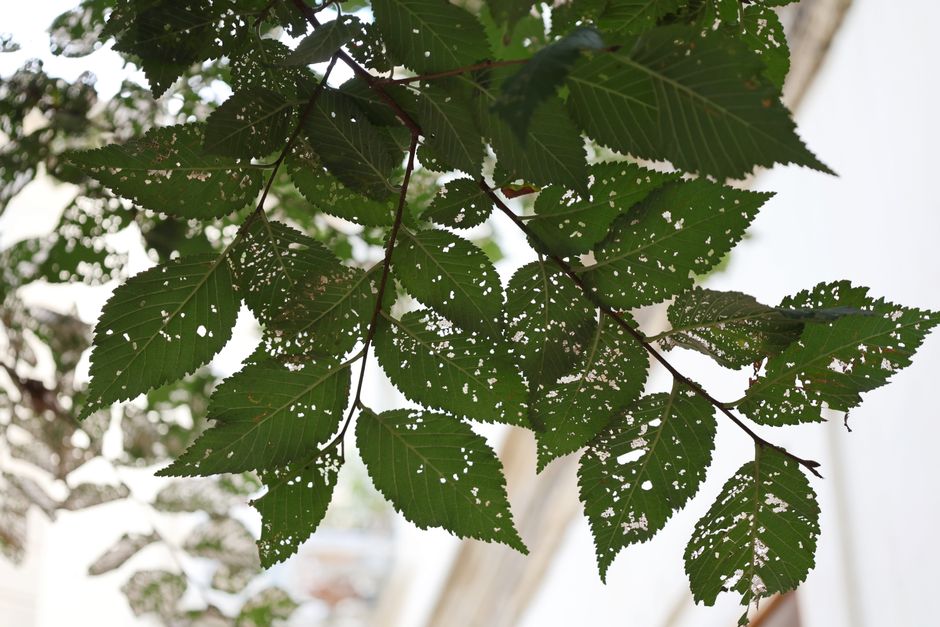
Because they are less than 1mm in size, you usually won’t see the mites themselves first. Instead, you’ll see the damage. Look for “stippling”—tiny yellow or white speckles on the surface of the leaves. This happens because the mites are literally draining the life (and color) out of individual plant cells.
As the infestation grows, you’ll notice:
- Fine silk webbing: This isn’t the organized, geometric web of a house spider. It’s a messy, dense silk typically found at the joints of stems or on the undersides of leaves.
- Leaf discoloration: Leaves may turn bronze, yellow, or look “burnt” and dry.
- Gritty texture: If you run your finger along the underside of a leaf, it might feel like it has dust or sand on it. Those “grains of sand” are often the mites and their eggs.
To confirm your suspicions, we recommend using a 10x magnifying lens. If you don’t have one, try the “paper test”: hold a piece of white paper under a leaf and tap the leaf sharply. If tiny specks fall onto the paper and start crawling around, you’ve got mites.
Speed is of the essence. A single female mite can live for 2 to 5 weeks, but in that time, she can lay hundreds of eggs. In hot, dry weather, those eggs can hatch and reach adulthood in as little as five days. This is why maintaining tips for healthy houseplants is a constant battle against the clock once these pests arrive.
Why a Natural Spider Mite Solution is Better Than Chemicals
You might be tempted to grab a heavy-duty chemical pesticide to “nuke” the problem. Resist that urge! Spider mites are notorious for developing resistance to synthetic chemicals. Because they reproduce so quickly, the few mites that survive a chemical spray pass their “immunity” onto the next generation. Before you know it, you have a “super-mite” population that ignores standard poisons.
Furthermore, harsh chemicals kill the “good guys”—predatory insects like ladybugs and lacewings that naturally eat spider mites. When you kill the predators, the mite population often “rebounds” even harder than before.
Choosing a natural spider mite solution helps maintain an ecosystem balance. Botanical controls, such as those detailed in scientific research on botanical control formulations, use plant-derived toxins and oils that suffocate or disrupt the mites’ hormones without leaving toxic residues in your home.
The Best Natural Spider Mite Solution: Home Remedies That Work
If you’ve caught the infestation early, you likely have everything you need in your pantry or medicine cabinet to start treatment immediately.
Neem Oil: The Gold Standard
Neem oil is derived from the seeds of the neem tree and acts as a hormone disruptor. It doesn’t just kill mites on contact; it prevents them from feeding and laying eggs.
- The Recipe: Mix 1 tablespoon of pure, cold-pressed neem oil with 1/3 teaspoon of mild dish soap (to help the oil mix with water) into 1 quart of warm water.
- The Application: Spray the entire plant, especially the undersides of the leaves, every 7 days.
Isopropyl Alcohol Spray
This is a fantastic “quick fix” that kills mites instantly by dehydrating them.
- The Recipe: Combine 12 ounces of water with 4 ounces of 92% isopropyl rubbing alcohol and 2 tablespoons of a mild dish detergent (many growers prefer the classic blue Dawn).
- The Frequency: Spray every 2-3 days for at least two weeks to catch new mites as they hatch.
Diatomaceous Earth (DE)
DE is a fine powder made from fossilized aquatic organisms. To us, it feels like flour; to a spider mite, it’s like walking over broken glass. It cuts through their exoskeletons, causing them to dehydrate and die within 24-48 hours.
- Pro Tip: Wear a mask when applying it so you don’t inhale the dust, and remember that it only works when dry. If you mist your plants, you’ll need to reapply the DE once the leaves are dry again.
Comparing Your Spray Options
Not sure which natural spider mite solution to choose? Here is a quick breakdown:
| Treatment Type | Best For | Pros | Cons |
|---|---|---|---|
| Oil-Based (Neem) | Long-term control | Prevents reproduction; non-toxic | Can clog plant pores; smells “earthy” |
| Alcohol-Based | Immediate knockdown | Kills on contact; evaporates fast | Can dry out sensitive leaves |
| Soap-Based | General maintenance | Cheap and accessible | Must hit the mite directly to work |
| Diatomaceous Earth | Preventive barrier | Pests can’t develop resistance | Messy; stops working when wet |
Choosing a Commercial Natural Spider Mite Solution
Sometimes, a DIY mix isn’t enough for a heavy infestation, or you simply prefer a pre-mixed, lab-tested formula. When shopping for a commercial natural spider mite solution, look for the “OMRI Listed” seal, which ensures the product is approved for organic use.
Many effective commercial products use a blend of:
- Cottonseed Oil: Suffocates the mites and their eggs.
- Geraniol: A powerful natural repellent derived from roses and citronella.
- Peppermint and Rosemary Oils: These act as neurotoxins to small pests while smelling great to humans.
Research shows that products like Grower’s Ally Spider Mite Control and AgroMagen GrowSafe have high customer satisfaction ratings (4.2 to 4.4 stars) because they use these biodegradable ingredients to deactivate eggs and disrupt reproduction. If you’re looking for more ways to protect your greenery, explore our guide on indoor plant pest control naturally.
Herbal Infusions and Kitchen Staples
If you want to get creative, your spice rack is a hidden armory. Many plants have evolved natural defenses against arachnids, and we can harness those.
- Garlic and Onion Spray: Blend 2 cloves of garlic and 1 small onion with a quart of water. Let it steep overnight, strain it, and add a drop of dish soap. The pungent sulfur compounds are highly irritating to mites.
- Hot Pepper Solution: Mix 1 tablespoon of cayenne pepper or hot sauce into a quart of warm water with a few drops of soap. This “spicy deterrent” makes the plant unpalatable.
- Cinnamon and Clove Tea: Boil grounded cinnamon and cloves in water, let it cool, and filter it. This mixture contains eugenol, which has documented pesticidal properties.
- Lemon Juice: A mixture of 2 parts lemon juice to 3 parts water can help kill mites, though be careful with high-acid solutions on sensitive leaves.
Advanced Biological and Environmental Controls
Sometimes the best way to fight nature is with more nature. If you have a large collection or a greenhouse, introducing “good bugs” is a highly effective natural spider mite solution.
Predatory Mites: The Hired Assassins
Phytoseiulus persimilis is a predatory mite that eats nothing but spider mites. They are faster than their prey and will hunt them down into every crevice of the plant.
- Note: These work best in humid conditions (above 60% RH). If it’s too dry, the predators might die before they finish the job.
- Other Allies: Ladybugs and green lacewings are also fantastic general predators that will snack on mites, aphids, and thrips.
Environmental Manipulation
Spider mites are like the “desert dwellers” of the pest world. They thrive when it is hot and dry. By changing the environment, you make your home a hostile place for them.
- Humidity is Key: Increasing your relative humidity to 70% can drastically slow down mite reproduction. Use a humidifier, group your plants together, or use pebble trays.
- Temperature Control: Mites develop twice as fast at 86°F (30°C) as they do at 68°F (20°C). Keeping your grow space cooler can give your other treatments more time to work.
- Water Blasting: Simply taking your plant to the shower and hosing it down with a firm stream of room-temperature water can knock off 90% of the adult population. It’s the simplest, most effective “Step 1” in any treatment plan.
For more on optimizing your environment, see our indoor plant growth tips.
How to Apply Your Natural Spider Mite Solution for Maximum Efficacy
The most common reason a natural spider mite solution fails isn’t the recipe—it’s the application. You can’t just give the plant a light “spritz” and call it a day.
- Saturation is Mandatory: You must soak the plant. Spider mites hide on the undersides of leaves and in the “axils” (where the leaf meets the stem). If the spray doesn’t touch the mite, the mite doesn’t die.
- Timing Matters: Apply oil or alcohol-based sprays in the early morning or late evening. If you spray in the middle of a sunny day, the droplets can act like tiny magnifying glasses, leading to leaf burn (phytotoxicity).
- The 3-5 Day Rule: Most natural sprays kill adults but not all eggs. You must reapply every 3 to 5 days for at least two weeks. This ensures that as new eggs hatch, the larvae are killed before they can lay more eggs.
- Rotation: Mites are smart. If you use neem oil five times in a row, the survivors might become resistant. Try rotating between a soap-based spray and an essential oil-based spray to keep them off balance.
- Wash it Off: After letting a soap or oil solution sit for a few hours, it’s often a good idea to rinse the plant with fresh water to prevent the pores (stomata) from clogging. This is a common indoor plant watering mistake to avoid when treating for pests.
Prevention and Long-Term Management Strategies
Once you’ve won the war, you need to make sure the “Borg” doesn’t return.
- Quarantine New Arrivals: Never put a new plant directly into your collection. Keep it in a separate room for at least two weeks and inspect it daily with your magnifying lens.
- Clean Room Rules: Spider mites can hitch a ride on your clothes, your skin, or even your pets. If you’ve been gardening outside, change your clothes before handling your indoor plants.
- Dust Your Leaves: Mites love dust. It gives them a place to hide and protects their webs. Regularly wiping your leaves with a damp cloth is a simple but powerful preventive measure.
- Hydration: Stressed, underwatered plants produce higher levels of nitrogen and sugars in their sap, which is like “junk food” for spider mites. Keep your plants properly hydrated to keep their natural defenses strong.
- Seal Entry Points: Ensure your windows have tight-fitting screens. In some cases, growers even use HEPA filters on intake fans for grow rooms to prevent mites from blowing in.
Learning how to propagate spider plants and other species is much more rewarding when you aren’t worried about pests destroying your hard work!
Frequently Asked Questions about Natural Spider Mite Solutions
Can I use a natural spider mite solution during the flowering stage?
This is a tricky one. If you are growing herbs or flowering plants, you should avoid using neem oil or heavy soaps on the actual buds or flowers. These substances can get trapped in the delicate petals, leading to “bud rot” or affecting the taste and smell of the harvest. Instead, use water-soluble essential oil sprays (like peppermint) or rely on predatory mites during the flowering stage.
How often should I apply a natural spider mite solution to be effective?
Consistency is the most important factor. Because the spider mite life cycle is so short, missing even one treatment can allow the population to explode again. We recommend a “strike” every 3 days for the first 9 days, then weekly for another two weeks to ensure every last egg has hatched and been neutralized.
Are there any plants that should not be treated with oil-based solutions?
Yes! Some plants are very sensitive to oils (phytotoxicity). Delicate ferns, succulents with “waxy” coatings, and plants with very hairy leaves (trichomes) can be damaged by neem or horticultural oils. Always perform a “patch test” on one leaf and wait 24 hours to see if it turns brown or wilts before spraying the whole plant.
Conclusion
Annihilating spider mites doesn’t require a degree in chemistry or a cabinet full of toxins. By choosing a natural spider mite solution—whether it’s a DIY neem spray, a blast of cold water, or a squadron of predatory mites—you are protecting your plants and your home environment.
The key to success is Integrated Pest Management (IPM): identify early, act fast, be thorough with your application, and change your environment to favor the plant over the pest.
For more tips on keeping your indoor jungle thriving and pest-free, explore our comprehensive guide on indoor plant pest control naturally. Happy growing!
