
Understanding the N-P-K of Homemade Fertilizer for Indoor Plants
When we talk about homemade fertilizer for indoor plants, we have to start with the “Big Three”: Nitrogen (N), Phosphorus (P), and Potassium (K). If you’ve ever looked at a store-bought fertilizer bottle, you’ve seen these three numbers. They aren’t just random digits; they represent the lifeblood of your plant’s development.
To help you visualize how these nutrients function, we’ve broken down the essential elements your indoor garden craves:
| Nutrient | Role in Plant Health | Best Homemade Source |
|---|---|---|
| Nitrogen (N) | Promotes lush, green foliage and stem growth. | Coffee grounds, blood meal, gelatin. |
| Phosphorus (P) | Encourages strong root systems and vibrant blooms. | Fish tank water, bone meal, rock phosphate. |
| Potassium (K) | Boosts disease resistance and water regulation. | Banana peels, wood ash, molasses. |
| Magnesium (Mg) | Essential for chlorophyll production (photosynthesis). | Epsom salt, molasses. |
| Calcium (Ca) | Strengthens cell walls and prevents root rot. | Eggshells, gypsum, lime. |
| Sulfur (S) | Works with Nitrogen to build plant proteins. | Epsom salt, various organic composts. |
Understanding these basics is the first step in our indoor-plant-fertilizing-guide. While Nitrogen makes your Monsteras look like a jungle, Phosphorus is what ensures your Peace Lily actually puts out those iconic white flowers. Potassium, meanwhile, acts like a plant’s immune system, helping it fight off pests and survive a missed watering or two.
Identifying Nutrient Deficiencies
Before we start mixing “plant smoothies” in the kitchen, we need to listen to what our plants are telling us. Plants are surprisingly communicative; they just don’t use words. Instead, they use their leaves.
- Yellowing Leaves (Chlorosis): If the older, bottom leaves are turning pale yellow, your plant is likely screaming for Nitrogen. If the yellowing happens between the veins (interveinal chlorosis), it’s often a sign of Magnesium deficiency.
- Stunted Growth: If your plant hasn’t put out a new leaf in months during the spring, it probably lacks the energy (Phosphorus and Nitrogen) to grow.
- Brown or “Burnt” Leaf Margins: This is a classic sign of Potassium deficiency. The edges of the leaves look dry and brittle, even if the soil is moist.
- Distorted New Growth: If new leaves come out twisted or tiny, your plant might be struggling with a Calcium deficiency.
For more detailed diagnostic help, check out our tips for healthy houseplants and our deep dive into indoor-plant-growth-tips.
Top Kitchen Scraps for DIY Plant Food

Repurposing kitchen waste isn’t just a win for your plants; it’s a win for the planet. By diverting these scraps from the landfill, we are engaging in nutrient cycling—returning the minerals taken from the earth back into the soil of our potted friends. These organic materials provide slow-release nutrients, meaning they break down over time to provide a steady “snack” rather than a chemical “jolt.”
However, not every plant likes every scrap. Some plants prefer “sour” (acidic) soil, while others like it “sweet” (alkaline). Choosing the right base is essential for maintaining the best soil for indoor plants.
Using Coffee Grounds as Homemade Fertilizer for Indoor Plants
If you’re like us, you probably have a steady supply of used coffee grounds. These are a goldmine of Nitrogen, containing about 2% Nitrogen by volume, along with traces of Calcium and Magnesium.
The Recipe:
- Dry them out: Never put wet grounds directly on the soil; they will mold faster than you can say “espresso.” Spread them on a baking sheet and let them air dry.
- The Sprinkle: Lightly scratch a thin layer (about half a teaspoon for a 6-inch pot) into the top inch of soil once or twice a year.
- The “Coffee Tea”: Steep 2 cups of used grounds in 5 gallons of water overnight. Use this liquid to water your plants once a month.
Best For: Acid-loving plants. Coffee is acidic, so it’s a dream for African violets, ferns, philodendrons, and peace lilies. Avoid using it on succulents or cacti, which prefer neutral to slightly alkaline conditions.
Banana Peels: A Potassium-Rich Homemade Fertilizer for Indoor Plants
Banana peels are essentially the “energy drink” of the plant world. They are packed with Potassium, which helps with protein synthesis and water flow within the plant.
The Recipe:
- Banana Water: Drop a fresh peel into a jar of water and let it sit for 24 hours. Remove the peel (compost it!) and use the mineral-rich water for your next watering session.
- The “Plant Smoothie”: For a faster hit, blend one banana peel with a cup of water. Pour this mixture directly onto the soil of flowering plants. This makes the nutrients available almost immediately.
Best For: Flowering plants like orchids and African violets, as well as foliage heavyweights like Fiddle Leaf Figs. Potassium is the key to those vibrant, sturdy blooms.
Eggshells for Calcium and Structure
A typical eggshell is 95% calcium carbonate. In the plant world, Calcium is the “glue” that holds cell walls together. Without it, your plants become “dramatic”—wilting and drooping even when watered.
The Recipe:
- Rinse and Dry: Always wash out the egg residue to avoid smells and pests.
- The Grind: This is the most important step. Plants cannot “eat” a whole eggshell. Use a blender or mortar and pestle to grind them into a fine powder.
- The Application: Mix the powder into your potting soil when repotting, or sprinkle it on the surface.
Best For: Succulents, snake plants, and cacti. These plants love the structural boost Calcium provides. It’s also a lifesaver for indoor tomato plants to prevent blossom end rot.
Advanced DIY Recipes: From Epsom Salts to Aquarium Water
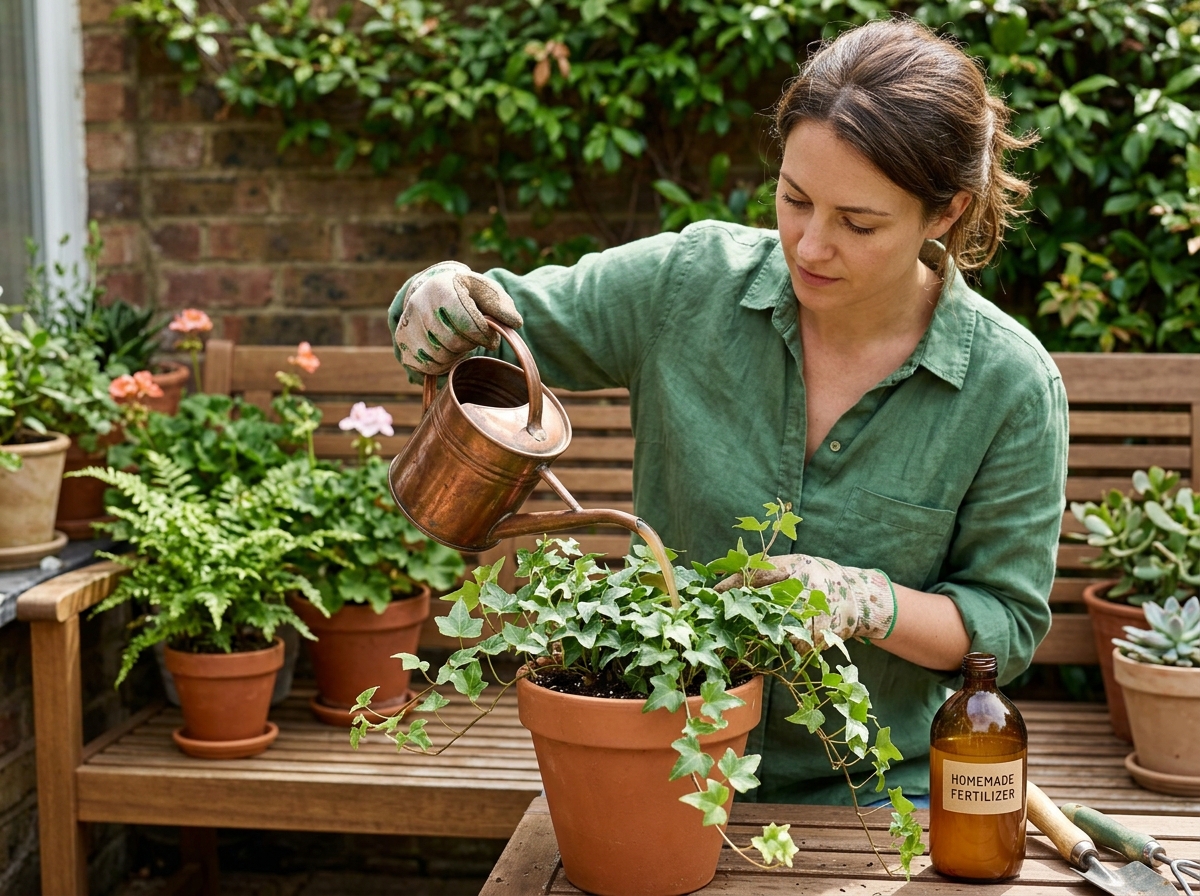
Once you’ve mastered the basics, you can move on to more “advanced” recipes. These use household staples that aren’t necessarily scraps but are incredibly cost-effective.
- Epsom Salt (The Magnesium Booster): Epsom salt is composed of 10% magnesium and 13% sulfur. Magnesium is the central atom in the chlorophyll molecule—without it, your plant can’t eat sunlight.
- Recipe: Dissolve 1 tablespoon of Epsom salt in a gallon of water. Use this once a month for palms, pothos, and roses.
- Aquarium Water (The All-in-One): If you have a freshwater fish tank, you are sitting on liquid gold. Fish waste is rich in Nitrogen, Phosphorus, and beneficial microorganisms.
- Recipe: Use the “dirty” water from your tank during your regular water changes. Just ensure it’s freshwater, not saltwater!
- Molasses (The Microbe Feeder): Molasses is rich in carbon, iron, and sulfur. It doesn’t just feed the plant; it feeds the beneficial bacteria in the soil.
- Recipe: Mix 1 tablespoon of unsulphured molasses into a gallon of water. This is excellent for orchids and jade plants.
The Ammonia and Baking Soda Power Mix
This is a “heavy-duty” recipe for those who want results comparable to commercial fertilizers.
The Ingredients:
- 1.5 tablespoons Epsom salt (Magnesium/Sulfur)
- 1.5 teaspoons baking soda (Stimulates blooms/prevents fungus)
- 0.5 teaspoon household ammonia (Nitrogen source)
- 1 gallon of water
Safety First: Use plain ammonia—no scents, no “lemon fresh,” no surfactants. Ammonia is toxic in high doses, so stick to the “scant half-teaspoon” rule. Label this container clearly and store it away from children and pets.
Application: Use this mix every 3–5 weeks during the spring and summer. It captures and binds airborne nitrogen, making it readily available for root absorption.
Application Schedules and Avoiding Common Pitfalls
Timing is everything. You wouldn’t eat a five-course meal right before going to sleep, and your plants feel the same way about their “rest” period.
The Growing Season (Spring and Summer)
This is when the magic happens. From March to September, most indoor plants are in active growth mode. We recommend fertilizing with your homemade fertilizer for indoor plants once every 4–6 weeks. This provides the fuel needed for those new leaves and flowers.
The Dormant Season (Fall and Winter)
As the days get shorter, your plants’ metabolism slows down. Over-fertilizing during winter is a recipe for disaster. It can lead to “leggy” growth or, worse, root burn because the plant isn’t using the nutrients fast enough. We suggest cutting back to once every three months or stopping entirely until the first signs of spring. For more on this, see our guide on seasonal care for houseplants.
If you’re looking for a “set it and forget it” vibe, consider low-maintenance indoor plants that require less frequent feeding.
Risks of Over-Fertilizing and Safety
“More” is not “better” when it comes to plant food. Over-fertilizing can lead to:
- Root Burn: High concentrations of salts (even from natural sources) can suck the moisture out of roots, causing them to shrivel.
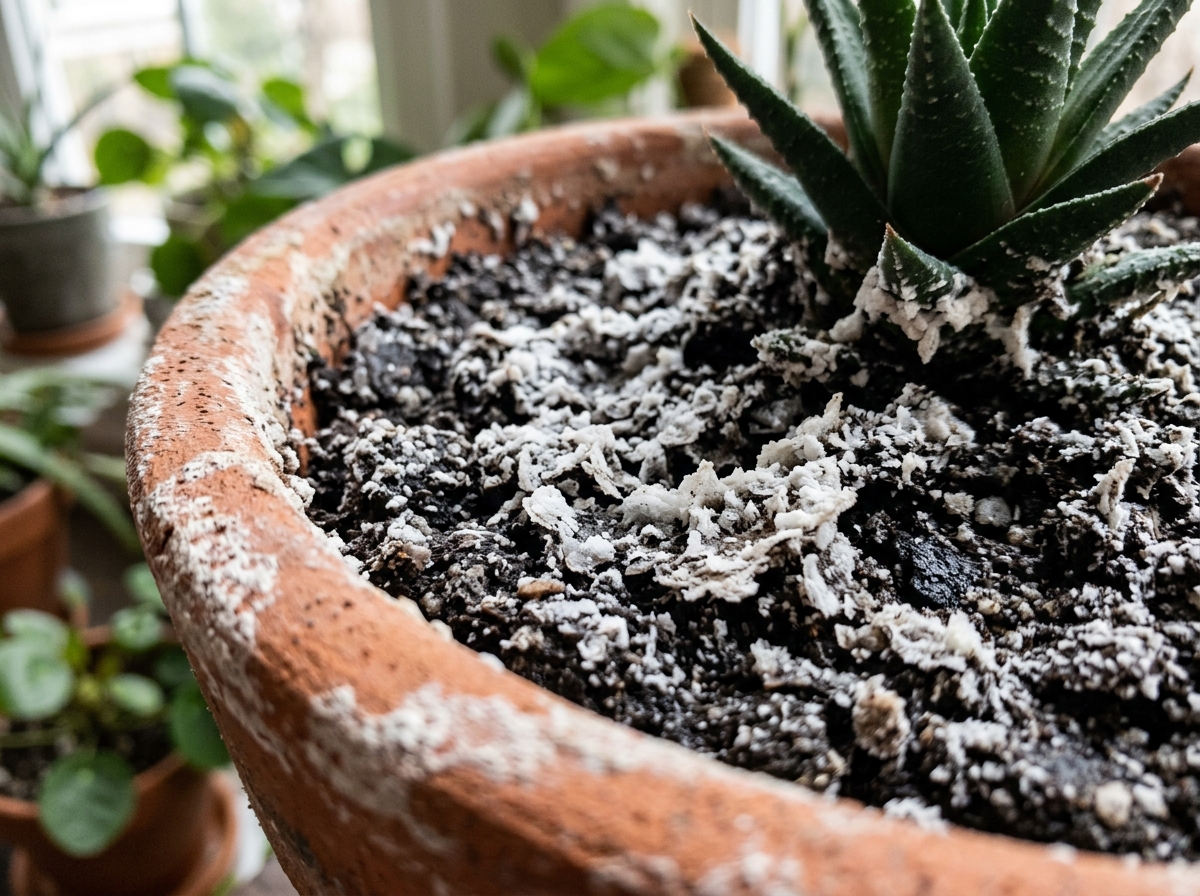
- Salt Accumulation: If you see a white, crusty layer on top of your soil, that’s salt buildup.
- Pathogens: Using unwashed eggshells or wet coffee grounds can attract fruit flies or encourage mold growth.
The Fix: If you’ve overdone it, don’t panic. Take the plant to the sink and “flush” the soil by letting lukewarm water run through the pot for several minutes. This washes away excess salts and gives the roots a fresh start.
Before you apply any DIY mix, we highly recommend a soil test kit. It’s the only way to know for sure if your plant actually needs more Nitrogen or if its soil is already saturated. This is a vital step for easy-care indoor plants for beginners.
Frequently Asked Questions about DIY Plant Care
Can I use coffee grounds on all my houseplants?
Not quite! Coffee grounds are acidic. While ferns, azaleas, and monsteras love that extra zing, succulents and cacti prefer a more neutral or even slightly alkaline environment. Adding coffee to a cactus might lower the pH too much, leading to stunted growth or rot. Always research your plant’s pH preference first.
How often should I fertilize with homemade mixes?
A safe rule of thumb is every 4–6 weeks during the growing season. Because homemade mixes are often less concentrated than synthetic ones, they are more forgiving, but “less is more” is still the golden rule. Always dilute liquid teas (like banana or compost tea) to about a 10:1 ratio (water to tea) to be safe.
Are homemade fertilizers better than commercial ones?
It depends on your goals!
- Homemade: Cheaper, sustainable, and better for long-term soil health because they encourage microbial life.
- Commercial: Precise N-P-K ratios and faster results. They are often better for “fussy” feeders like high-end orchids or during a severe nutrient crisis. For most hobbyists, a mix of both—or a dedicated DIY routine—is more than enough to achieve a lush indoor jungle.
Conclusion
Feeding your plants doesn’t have to involve a trip to the garden center or a cabinet full of blue-colored chemicals. By understanding the N-P-K basics and looking at your kitchen scraps through a new lens, you can create a thriving, sustainable indoor oasis.
At FinanceBillX, we believe that small, sustainable changes—like repurposing eggshells or saving your cooking water—lead to long-term success for both your budget and your environment. Whether you’re a beginner or a seasoned “plant parent,” using homemade fertilizer for indoor plants is a rewarding way to connect with your greenery.
Ready to take your plant game to the next level? Dive into our full indoor-plant-fertilizing-guide for more tips on keeping your home green and healthy!
