
Why Indoor Plant Insects Identification Matters Before It’s Too Late
Indoor plant insects identification is the first step to saving your plants. Here are the most common houseplant pests and their quickest visual clues:
| Pest | What to Look For | Size |
|---|---|---|
| Aphids | Clusters of soft, pear-shaped bugs on new growth; sticky residue | 1-3 mm |
| Mealybugs | White cottony fluff in leaf joints and crevices | 2-5 mm |
| Scale insects | Brown or tan bumps on stems and leaves that don’t brush off easily | 2-5 mm |
| Spider mites | Fine webbing on leaves; tiny moving specks on white paper | Under 1 mm |
| Thrips | Silvery streaks or patches; small black dots of excrement on leaves | 1-2 mm |
| Whiteflies | Cloud of tiny white insects when plant is disturbed | 1.6 mm |
| Fungus gnats | Small black flies hovering around soil; larvae in damp potting mix | 2-4 mm |
You’re not a bad plant parent just because pests show up. It happens to everyone.
One day your Monstera looks lush and thriving. A few days later, something’s off — leaves are curling, there’s a sticky film on the stems, or tiny flies are circling the pot. That uneasy feeling is your signal to take a closer look.
The tricky part? Most houseplant pests are tiny. Some, like spider mites, are barely visible without a magnifying lens. Others, like scale insects, can look like part of the plant itself. And because your home has no natural predators, stable temperatures, and low humidity in winter, pests can multiply shockingly fast once they get a foothold.
Early identification is everything. Catching an infestation at 10 bugs is very different from catching it at 10,000.
The good news: once you know what to look for, spotting these pests gets much easier — and most can be dealt with using simple, natural methods you already have at home.
Mastering Indoor Plant Insects Identification: A Visual Guide
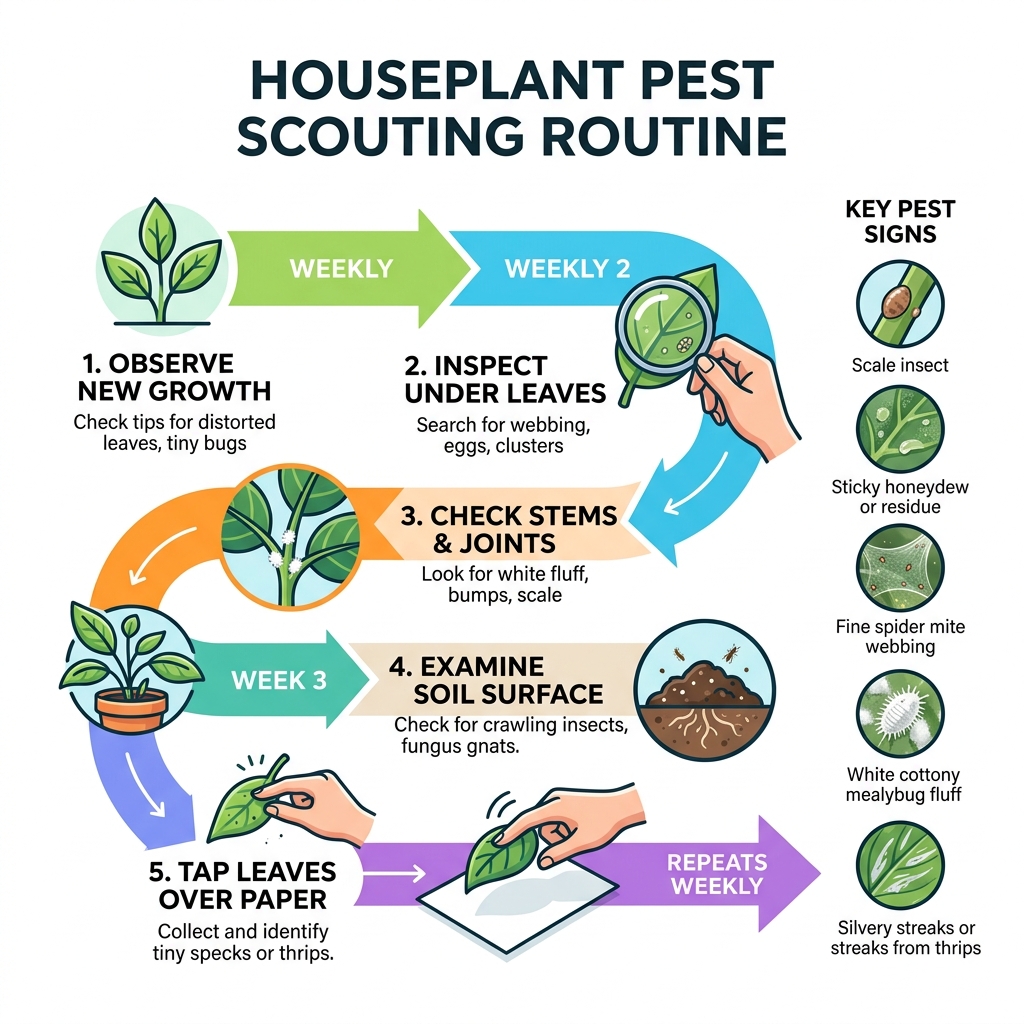
When we talk about indoor plant insects identification, we aren’t just looking for the bugs themselves. Often, the bugs are experts at hide-and-seek. Instead, we look for the “calling cards” they leave behind. According to experts at Diagnosing Houseplant Problems Caused by Insect Pests | Yard and Garden, many pests produce specific symptoms like sticky honeydew, sooty mold, or cottony masses that give away their presence long before you see a leg or an antenna.
Indoor Plant Insects Identification for Sap-Suckers
Sap-suckers are the vampires of the plant world. They use straw-like mouthparts to pierce plant tissue and drink the sugary lifeblood (phloem) within.
- Aphids: These are soft-bodied, pear-shaped insects that love tender new growth. They are “parthenogenic,” meaning females can give birth to live young without mating. In fact, nymphs are often born already pregnant! This leads to an explosion in population within days. Look for curled leaves and white “dandruff”—which are actually the cast-off skins of growing aphids.
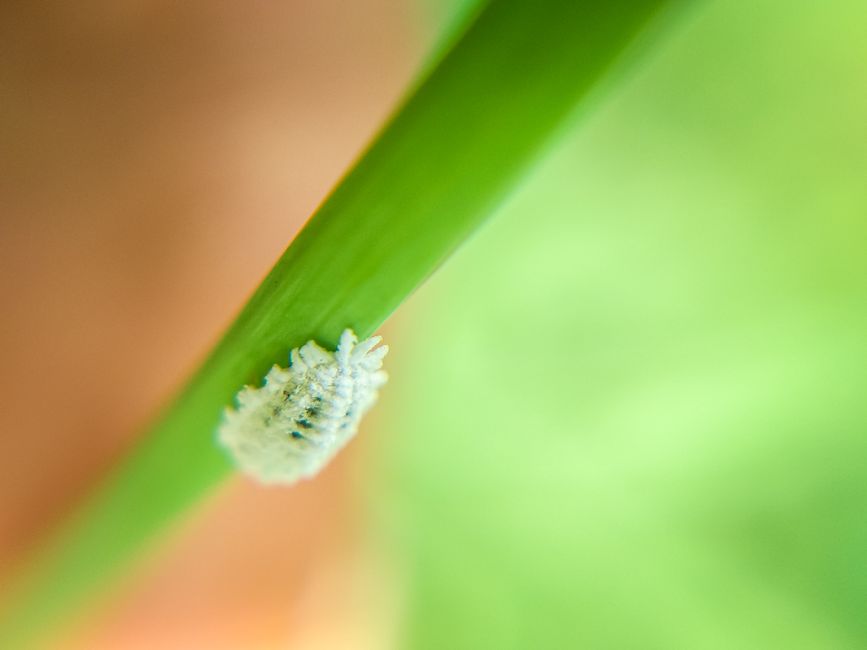
- Mealybugs: If your plant looks like it’s growing tiny cotton balls, you have mealybugs. These pinkish, soft insects hide under a protective white waxy coating. A single female can lay between 200 and 600 eggs in a fuzzy “ovisac.” They love hiding in leaf axils (where the leaf meets the stem) and under the rims of pots.
- Scale Insects: These are the ultimate masters of disguise. They look like small brown or tan bumps on stems. There are two main types: soft scale and armored scale. Soft scales produce a sticky, sugary liquid called honeydew, which often leads to the growth of black sooty mold. Armored scales have a hard, detachable shell and do not produce honeydew. Both remain immobile once they reach adulthood, making them look like part of the plant’s bark.
For more detailed help on these sticky situations, you can refer to the Indoor plants sap feeders: Identify | RHS Advice for professional diagnostic tips.
Indoor Plant Insects Identification: Spotting Thrips and Mites
Some pests are so small they require a bit of detective work. We always recommend keeping a 10x magnifying lens in your plant care kit for this very reason.
- Spider Mites: These aren’t actually insects; they are arachnids, related to spiders and ticks. They thrive in the dry, warm air of our homes, especially in winter. A mature female can lay five eggs per day, leading to rapid infestations. Look for fine webbing between leaves and “stippling”—tiny yellow or beige dots on the leaves where the mites have sucked out the chlorophyll. A pro tip: shake a leaf over a piece of white paper; if the “dust” starts walking, you have mites.
- Thrips: These are tiny, slender insects that look like dark slivers of thread. They have a lightning-fast life cycle, often completing it in just two weeks. Thrips cause “silvery” or bleached patches on leaves because they scrape the leaf surface to feed. You’ll also see tiny, shiny black dots of excrement (frass) that look like drops of dark varnish.
Distinguishing Pest Damage from Environmental Stress
One of the biggest hurdles in indoor plant insects identification is realizing that not every yellow leaf is caused by a bug. Sometimes, our plants are just reacting to “bad parenting” or a tough environment. Before you reach for the spray, use this table to check if the problem is a pest or a care issue.
| Symptom | Likely Pest Cause | Likely Environmental Cause |
|---|---|---|
| Yellowing Leaves | Aphids, Scale, Spider Mites (usually mottled/spotted) | Overwatering (uniform yellowing), Nitrogen deficiency |
| Sticky Residue | Aphids, Mealybugs, Soft Scale | N/A (Rarely nectar from specific species) |
| Brown Leaf Tips | Thrips (if accompanied by silvering) | Low humidity, Underwatering, Salt buildup from tap water |
| Dropping Leaves | Heavy infestation of almost any sap-sucker | Sudden temperature change, Low light, Root rot |
| Distorted Growth | Aphids, Cyclamen Mites | Nutrient deficiency, Herbicide drift (rare indoors) |
| Tiny Flies | Fungus Gnats | Fruit flies (attracted to rotting fruit, not soil) |
As noted by the Managing insects on indoor plants | UMN Extension, stressed plants are far more susceptible to pests. A plant struggling with low light or poor drainage has fewer natural defenses to fight off an aphid invasion.
Effective Control: From Natural Remedies to Chemical Safety
Once you’ve nailed down your indoor plant insects identification, it’s time for the counter-attack. We always suggest starting with the gentlest methods first.
Natural and DIY Methods
- The Water Blast: For aphids and spider mites, sometimes a strong stream of water in the shower or sink is enough to dislodge the majority of the population.
- Rubbing Alcohol: For mealybugs and scale, dip a cotton swab in 70% isopropyl alcohol and dab the pests directly. This dissolves their protective waxy coating and kills them instantly.
- Neem Oil and Insecticidal Soap: These are the “heavy hitters” of organic care. Neem oil disrupts the hormonal systems of insects, preventing them from feeding and breeding. Insecticidal soaps break down the outer membranes of soft-bodied pests. You can learn more about applying these in our guide on indoor-plant-pest-control-naturally.
Biological Controls
In some cases, you can fight nature with nature. Predatory mites can be released to hunt spider mites, and green lacewings are voracious eaters of aphids and mealybugs. While this is more common in greenhouses, many home enthusiasts now use “beneficials” for a chemical-free home.
Chemical Safety
If an infestation is severe, you might turn to systemic insecticides like Imidacloprid. These are applied as a soil drench; the plant absorbs the chemical into its tissues, making the plant itself toxic to biting and sucking pests for several months.
Safety Warning: Always read the label. When using any spray—even natural ones—move the plant to a well-ventilated area (like a garage or porch) to avoid inhaling the mist. Keep treated plants away from children and pets until the foliage is completely dry.
Frequently Asked Questions about Houseplant Pests
How do I identify fungus gnats vs. fruit flies?
Fungus gnats are the “annoyance” kings of the plant world. They are attracted to the moisture and decaying organic matter in potting soil. Their larvae are translucent with distinct black heads and live in the top two inches of damp soil. Fruit flies, on the other hand, are usually tan or orange-ish and are attracted to ripening fruit or drain sludge, not your Pothos. To stop gnats, let your soil dry out completely between waterings and use yellow sticky traps to catch the flying adults.
What is the fastest way to get rid of spider mites?
Spider mites hate moisture. The fastest way to slow them down is to increase humidity immediately. Give the plant a thorough “power wash” in the shower to knock off the adults and webs, then use a humidifier to keep the air around the plant above 50-60%. Follow up with weekly treatments of neem oil or a miticide for at least a month to catch new hatchlings.
Can I use dish soap to kill plant pests?
While many DIY recipes call for dish soap, be careful! True “insecticidal soaps” are made of specific potassium fatty acids designed to kill bugs without hurting plants. Many modern dish soaps are actually detergents containing degreasers and perfumes that can strip the protective waxy cuticle off your plant’s leaves, leading to “leaf scorch.” If you must use dish soap, use a very mild, plain liquid soap (like castile soap) and test it on one leaf first.
Conclusion
Mastering indoor plant insects identification is an essential skill for any indoor gardener. By performing a simple 5-minute “pest patrol” every week, you can catch most problems before they become disasters.
Remember our golden rules of prevention:
- Quarantine: Always isolate new plants for at least 4 to 6 weeks. Many pests are in the egg stage when you buy the plant and won’t be visible for weeks.
- Inspect: Use that magnifying lens! Check the undersides of leaves and the crevices of stems.
- Cleanliness: Use only sterile potting soil for repotting, and keep your leaves dust-free so you can see changes early.
At FinanceBillX, we believe that a healthy home starts with healthy greenery. Don’t let a few tiny bugs discourage you from growing your dream indoor jungle! For more expert advice on keeping your greenery thriving, check out More info about houseplant care tips. Happy growing!
