
Your Plants Are Struggling — A Humidifier for Houseplants Can Fix That
The best humidifier for houseplants depends on your room size and plant types, but here are the top picks to know:
| Best For | Humidifier Type | Key Feature |
|---|---|---|
| Most home setups | Ultrasonic cool mist | Quiet, energy-efficient, fine mist |
| Large plant rooms | High-capacity (6L+) | Long runtime, wide coverage |
| Tech-savvy plant parents | Smart humidifier | App control, auto-shutoff, scheduling |
| Tight budgets | Compact ultrasonic | Basic but effective for small spaces |
| Grow tent setups | Large ultrasonic (15L) | High mist output, remote control |
The short answer: An ultrasonic cool mist humidifier with a built-in hygrometer and auto-shutoff is the best all-around choice for most houseplant owners. Aim to keep humidity between 40% and 60% — or up to 70% for tropical species.
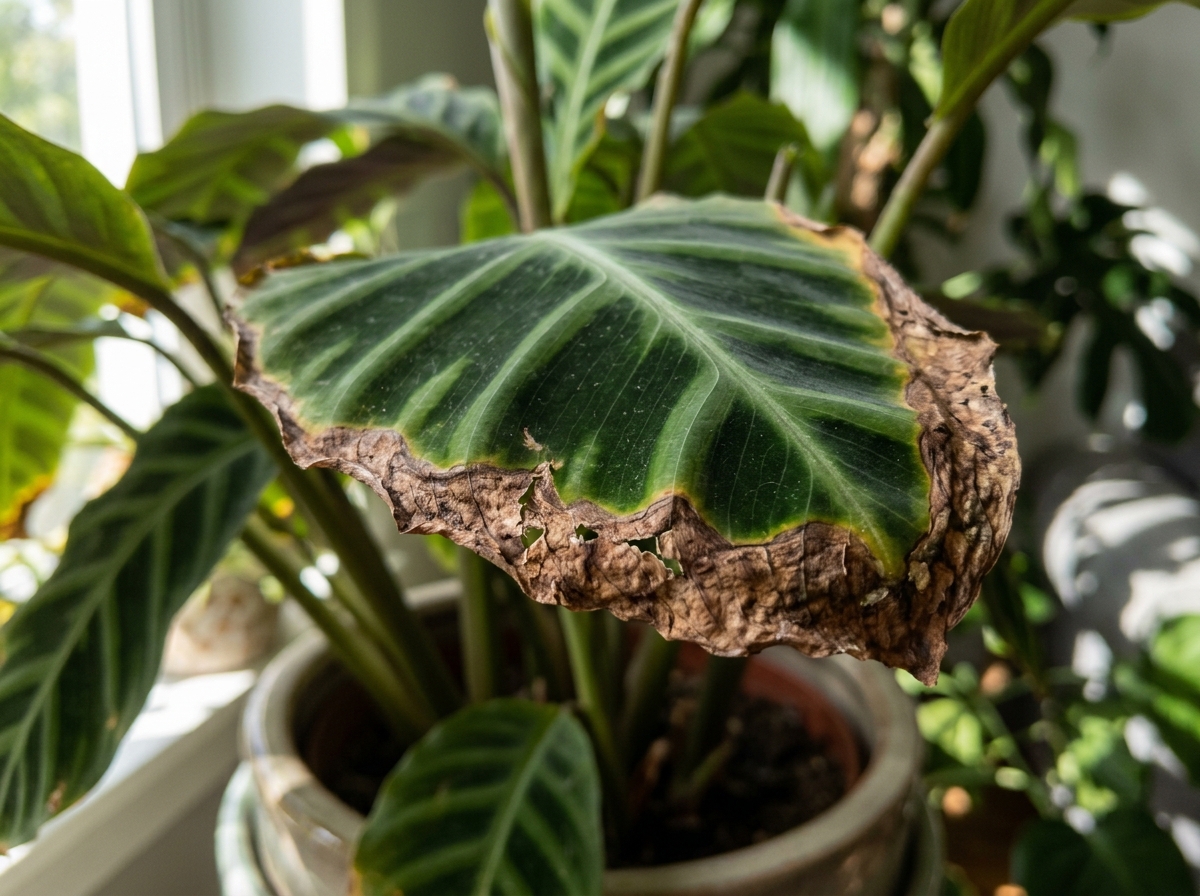
You glance over at your monstera, your calathea, your beloved bird of paradise — and something looks off. The leaf edges are crispy. Tips are browning. Leaves are curling inward like they’re trying to escape.
It’s probably not your watering schedule.
The real culprit is often dry indoor air. Heated homes in winter can drop below 30% relative humidity — sometimes even as low as 10%. Most tropical houseplants evolved in environments where humidity sits between 50% and 70%. That gap is quietly stressing your plants every single day.
A humidifier bridges that gap. And the right one does it with almost zero effort on your part.
This guide covers the smartest, most effective humidifiers for houseplants — tested and compared so you can find the right fit for your space, your plant collection, and your lifestyle.

Why Your Indoor Jungle Craves a Humidifier for Houseplants
We often treat our plants like furniture, but they are living, breathing organisms with specific ancestral needs. Most of our favorite indoor species—like the Peace Lily or various Philodendrons—originate from tropical rainforests. In those habitats, the air is thick with moisture. When we bring them into a climate-controlled home, we are essentially asking a jungle creature to live in a desert.
The Science of Thirsty Leaves
Plants “breathe” through tiny pores on their leaves called stomata. This process, known as transpiration, involves the plant releasing water vapor into the air. When indoor air is too dry, the rate of transpiration speeds up significantly. The plant loses water faster than its roots can soak it up. This leads to the classic signs of distress:
- Crispy, brown leaf edges: Especially common in “drama queens” like Calatheas.
- Curling or drooping leaves: The plant’s way of trying to reduce surface area to save moisture.
- Stunted growth: The plant spends all its energy surviving rather than thriving.
Seasonal Shifts and Pests
As we discuss in our guide on seasonal care for houseplants, winter is particularly brutal. Forced-air heating acts like a giant hair dryer for your foliage. Low humidity doesn’t just dry out leaves; it also invites unwanted guests. Spider mites, for instance, thrive in dry, dusty conditions. By maintaining a higher humidity level, you create a less hospitable environment for these pests. For a deeper dive into the mechanics of moisture, check out our indoor plant humidity guide.
Comparing Humidifier Types for Optimal Growth
Not all humidifiers are created equal. Choosing the wrong type can lead to a soggy mess or a layer of white dust over your expensive Fiddle Leaf Fig.
| Feature | Ultrasonic Humidifier | Evaporative Humidifier |
|---|---|---|
| Mechanism | High-frequency vibrations | Fan and wicking filter |
| Noise Level | Extremely quiet (35-44 dB) | Noticeable fan noise |
| Mist Type | Visible “fog” | Invisible vapor |
| Maintenance | Weekly cleaning required | Filter replacements needed |
| Oversaturation | Possible without humidistat | Naturally self-regulating |
Ultrasonic Technology: The Plant Parent’s Favorite
Ultrasonic models are generally the gold standard for indoor gardening. They use a metal diaphragm vibrating at ultrasonic frequencies to create a fine mist. This mist is easily absorbed by plant tissues without drenching the soil. Units like the Natura Ultrasonic Warm & Cool Mist Humidifier offer the flexibility of both mist temperatures.
Cool Mist vs. Warm Mist:
- Cool Mist: Great for general use and safer around pets or children. It doesn’t affect room temperature significantly.
- Warm Mist: Can mimic a tropical environment more closely and often kills more bacteria in the water. However, you must be careful not to place it too close to delicate leaves to avoid “cooking” them.
Innovative Modular Options
For those with limited space, modular systems like Pots with Humidifier for Indoor plants and 4-USB Plug integrate the humidifier directly into the planter setup. This ensures the moisture is targeted exactly where it’s needed most—within the plant’s immediate microclimate.
The “White Dust” Dilemma
A common complaint with ultrasonic models is mineral buildup, often appearing as “white dust” on leaves. This happens when minerals in tap water are atomized along with the moisture. Using distilled or filtered water is the easiest fix, ensuring your plants stay clean and your humidifier’s lifespan is extended.
Smart Features in a Humidifier for Houseplants
The “set it and forget it” lifestyle is the dream of every plant parent. Modern smart humidifiers have made this a reality.
App Integration and Automation
The biggest leap in plant care technology is the ability to monitor your “babies” from your phone. Systems like the Mars Hydro 6L Humidifier + iHub-Pro allow for precise climate control. You can set environmental strategies that trigger the humidifier only when the humidity drops below a certain percentage.
Key Features to Look For:
- Built-in Hygrometers: These sensors measure the room’s current humidity. Look for “auto-mode” features that shut the unit off once your target (e.g., 55%) is reached.
- Scheduling: Plants don’t need 24/7 misting. In fact, running a humidifier all night can lead to mold. Smart scheduling allows you to run the unit for 4-5 hours in the morning, which is the peak time for plant “breathing.”
- Remote Monitoring: Check your plant room’s stats while you’re at work or on vacation.
For more general advice on keeping your greenery happy, see our tips for healthy houseplants.
Sizing Your Humidifier for Houseplants and Room Capacity
Size matters. A tiny desk humidifier won’t save a sunroom full of Monsteras, and a massive unit might cause mold in a small bedroom.
Tank Capacity and Runtime
Tank size determines how often you’ll be lugging water back and forth.
- Small (2L – 3L): Best for a single plant or a very small cluster. Runtime is usually 12-18 hours.
- Medium (4L – 6L): The “sweet spot” for most bedrooms or living rooms. The LeGrow Humidifier fits into this category of efficient, targeted moisture.
- Large (15L+): For serious collectors or greenhouses, the Mars Hydro 15L Large Humidifier can cover up to 861 square feet and run for nearly 30 hours on a single fill.
Coverage and Output
Check the “mist output” (usually measured in ml/h). A higher output is necessary for large, open-concept spaces. Some advanced models, like the 2.1Gal Plant Humidifier with Temp & Humidity Probe, include telescopic hoses. These are brilliant for directing mist into specific corners of a shelving unit or into a grow tent without moving the heavy base unit.
Pro Tip: Always choose a top-fill design. Your back (and your floor) will thank you. Bottom-fill tanks are notorious for leaking during the “flip” and are much harder to clean.
Maintenance and Advanced Care Strategies
A dirty humidifier is worse than no humidifier at all. If you let bacteria or mold grow in the tank, you are essentially misting your plants (and your lungs) with pathogens.
The Cleaning Protocol
We recommend a basic rinse every day and a deep clean once a week.
- Vinegar Rinse: Fill the base with white vinegar and let it sit for 30 minutes to break down mineral scale.
- Scrub: Use a small brush to get into the crevices around the ultrasonic transducer.
- Disinfect: Use a very diluted bleach or peroxide solution for the tank, ensuring you rinse it thoroughly afterward.
Humidifiers and Grow Lights: The VPD Connection
If you use grow lights, you need to understand Vapor Pressure Deficit (VPD). High-intensity lights drive transpiration; they make plants “sweat” more. In fact, high-intensity lighting can cause plants to release up to 8 times more moisture.
To balance this, you must increase humidity as the temperature rises under the lights. This prevents the leaves from drying out too fast. However, when the lights go off and the temperature drops, you should decrease the humidifier output to avoid a “spike” in humidity that could cause powdery mildew. For more on watering and moisture balance, avoid these indoor plant watering mistakes.
Placement Tips
- Elevate it: Place the unit on a table or shelf, never directly on the carpet.
- Distance: Keep it 3-4 feet away from plants. You want the air to be humid, not the leaves to be dripping wet.
- Airflow: Ensure there is some air circulation to prevent stagnant pockets of moisture.
If you aren’t ready for a full electric unit, you can always learn how to use a clay pebble humidity tray as a supplemental boost, or check out our indoor plant fertilizing guide to ensure your plants have the nutrients to handle environmental stress.
Frequently Asked Questions about Plant Humidity
What is the ideal humidity level for most houseplants?
For the vast majority of houseplants, a relative humidity of 40% to 60% is the “Goldilocks” zone. Tropical plants like orchids, ferns, and aroids (Monstera, Philodendron) prefer the higher end of that scale, often thriving at 50% to 70%. If humidity exceeds 80%, you risk mold growth on your walls and fungal diseases on your plants. Always use a $10 hygrometer to keep an eye on the numbers!
How long should I run my humidifier each day?
You don’t need to run it 24/7. The most effective window is 4 to 5 hours in the morning, starting around sunrise. This mimics the natural dew and high-humidity mornings of the tropics. Avoid running it late at night, as plants “exhale” less moisture in the dark, and high nighttime humidity is a recipe for root rot and leaf fungus.
Can I use tap water in my plant humidifier?
Technically, yes, but it comes with a cost. Tap water contains minerals that can clog your machine and leave a white, chalky residue on your plants. This residue can actually block the stomata, making it harder for the plant to breathe. If you must use tap water, choose a model with a demineralization filter or be prepared to descale the unit weekly. Distilled or rainwater is always the best choice for both the machine and the foliage.
Conclusion
Investing in a smart humidifier for houseplants is perhaps the single most impactful upgrade you can make for your indoor garden. While we often focus on light and soil, humidity is the “invisible” nutrient that separates a surviving plant from a thriving one.
At FinanceBillX, we believe that smart technology should do the heavy lifting so you can enjoy the beauty of your indoor jungle without the stress of crispy leaves. By choosing the right size, maintaining a clean unit, and monitoring your levels with a hygrometer, you’re setting your plants up for a long, lush life. For more deep dives into creating the perfect environment, revisit our indoor plant humidity guide. Happy growing!
