
Recognizing the Signs Your Plant Needs a New Home
One of the most common questions we hear is: “How do I know it’s actually time to move my plant?” Fiddle leaf figs are creatures of habit, and they generally prefer to be a bit snug in their pots. However, staying in the same container for too long will eventually lead to a “sad” looking tree.

Typically, a fiddle leaf fig should follow a 1-3 year repotting schedule. If you’ve had your plant for three years and it’s still in its original grower pot, it is almost certainly ready for a change. Here are the primary red flags to look for:
- The “Escape Artist” Roots: Check the bottom of the pot. If you see roots poking through the drainage holes or circling the surface of the soil like a nest of snakes, your plant is officially rootbound.
- The “Flash Flood” Watering: When you water the plant, does the liquid run straight through the pot and out the bottom in seconds? This happens when the roots have replaced most of the soil, leaving no medium to hold onto moisture.
- Stunted Growth: If it’s spring or summer and your plant hasn’t put out a new leaf in months despite having perfect light, it likely lacks the space or nutrients to expand. For more on this, check out our indoor plant growth tips.
- Soil Disintegration: Over time, potting media breaks down and loses its aeration. If the soil looks like gray dust or a solid, hydrophobic brick, it’s time for a refresh.
- Top-Heavy Tilting: If your tree is getting so tall that it threatens to tip over its current pot, a larger, heavier base is a safety requirement.
While you can technically repot whenever an emergency arises (like root rot), we highly recommend following seasonal care for houseplants and aiming for spring or early summer. This is when the plant is in its active growth phase and has the hormonal energy to repair its roots and settle into a new home.
Choosing the Right Pot and Soil for Your Ficus Lyrata
Selecting the right hardware and “bedding” is half the battle. If you put a fiddle leaf fig in a pot that is too large, the excess soil will hold onto too much water, leading to the dreaded root rot.
The “Goldilocks” Pot Size
The rule of thumb for how to repot a fiddle leaf fig is to increase the diameter by 2 to 4 inches.
- For young plants (under 3 feet tall), a 2-inch increase is perfect.
- For larger, mature specimens, you can go up to 4 inches.
- Avoid the “Mega-Pot” trap: Never go more than 6 inches larger than the current pot. Doubling the pot size might sound like a good idea, and while horticultural studies show it can increase biomass by 43%, in a home environment, it usually just leads to soggy soil and a dead plant.
Material Matters
Different pots interact with moisture differently. We’ve broken down the most common choices for you here:
| Pot Material | Pros | Cons |
|---|---|---|
| Terracotta | Porous; breathes well; wicks away excess moisture. Great for over-waterers. | Dries out very quickly; heavy; can break easily. |
| Ceramic | Stylish; heavy (prevents tipping); holds moisture well. | Often lacks drainage holes (requires a liner); expensive. |
| Plastic | Lightweight; cheap; usually has great drainage. | Doesn’t breathe; can look “cheap”; tips over easily with tall plants. |
For a deeper dive into container types, see our guide on the best pots for indoor plants. Regardless of what you choose, drainage holes are non-negotiable.
The Perfect Soil Recipe
Don’t just grab a bag of “garden dirt” from the hardware store—it’s way too dense. Fiddle leaf figs need a chunky tropical mix with a pH of 6.0-7.0. We recommend a DIY blend of:
- 40% High-quality potting soil
- 20% Perlite (for drainage)
- 20% Coco coir (for moisture retention without sogginess)
- 20% Pine bark (for aeration and “chunkiness”)
This ensures the roots get the oxygen they crave. For more soil science, visit our page on the best soil for indoor plants.
How to Repot a Fiddle Leaf Fig: A Step-by-Step Guide
Now that you have your supplies, it’s time for the main event. If you’re nervous, remember: these plants are tougher than they look!
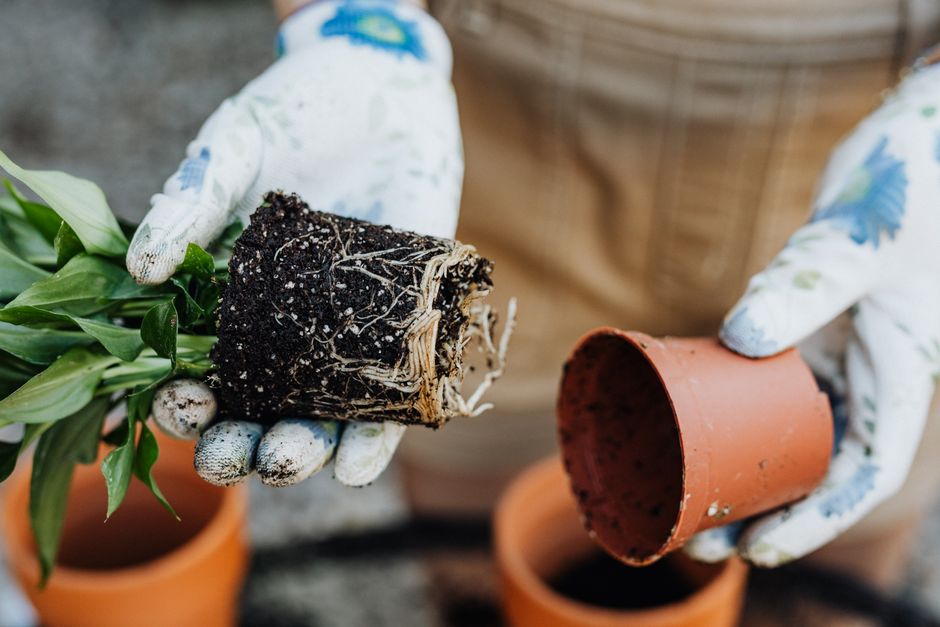
- The Pre-Game Soak: About 24 hours before you plan to repot, water your plant thoroughly. This hydrates the cells and makes the roots more flexible, which is a key part of repotting indoor air-purifying plants.
- The Extraction: Lay the plant on its side on a tarp or newspaper. Gently grasp the tree at the base of the trunk—never pull from the top branches. Squeeze the sides of the pot to loosen the root ball and slide it out. If it’s stuck, you might need to run a butter knife around the inside edge.
- The Base Layer: Add about 2-3 inches of your fresh soil mix to the bottom of the new pot.
- The Fitting: Place the plant in the center. The goal is for the original soil line to sit about an inch below the rim of the new pot. This “headspace” prevents water from overflowing when you give it a drink.
- The Backfill: Fill the gaps around the sides with your soil mix.
- Air Pocket Removal: Use your fingers to gently press the soil down. You want it firm enough to support the tree, but don’t pack it like concrete. We want to remove large air pockets without crushing the delicate root hairs.
Preparing the Roots: How to Repot a Fiddle Leaf Fig Safely
Before you put the plant into its new home, you need to perform a “root physical.” If the roots are circling the ball tightly, they will continue to grow in that circle even in a bigger pot, eventually “girdling” or choking the plant.
- Scarifying: Use your fingers or a clean pair of shears to gently “tease” the outer roots. If they are very thick and matted, you can make three or four shallow vertical snips around the root ball to encourage them to grow outward.
- The 20% Rule: Never trim more than 20% of the total root mass. If you find mushy, brown, or smelly roots (signs of rot), prune them back to healthy white tissue using sterilized shears. Following pruning tips for houseplants ensures you don’t introduce bacteria during this process.
Settling In: How to Repot a Fiddle Leaf Fig and Water Correctly
Once the plant is in, the first watering is the most important. This isn’t just about hydration; it’s about settling the soil.
Water the plant slowly until you see it pouring out of the drainage holes. This ensures there are no hidden dry spots. If you’re using a decorative “cache” pot, make sure to empty the reservoir after about 30 minutes. You don’t want the plant sitting in a puddle, as this is one of the most common indoor plant watering mistakes.
If you live in a particularly dry home, consider our indoor plant humidity guide to help the leaves stay hydrated while the roots are recovering.
Post-Repotting Care: Preventing Transplant Shock
Transplant shock is the plant equivalent of “moving day exhaustion.” Symptoms include drooping leaves or the loss of one or two bottom leaves. Don’t panic! This is normal.
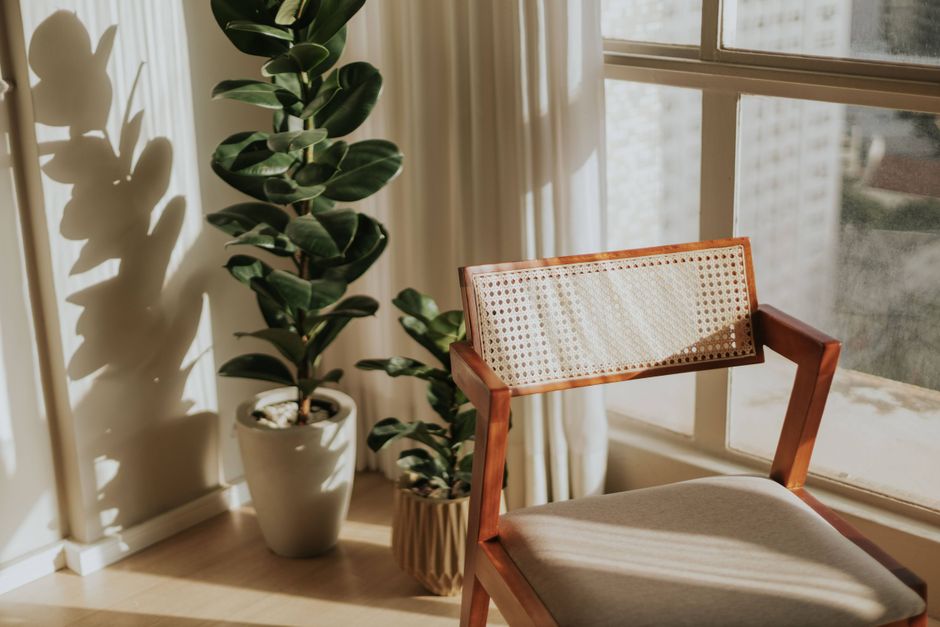
- Location, Location, Location: After the move, put the plant back in its exact same spot. It’s already dealing with root change; it doesn’t need a change in light or temperature too.
- The Fertilization Hiatus: This is crucial. Wait 4 to 6 weeks before fertilizing. Fresh potting soil usually has enough nutrients to start, and fertilizer salts can burn “wounded” roots that are trying to heal.
- The Right Food: When you do resume feeding, look for a high-nitrogen fertilizer with a 3:1:2 NPK ratio. This ratio is the “secret sauce” for foliage-heavy plants like the Ficus lyrata. For more details, see our indoor plant fertilizing guide.
- Patience: It takes about a month for the roots to stabilize. During this time, keep your indoor plant care tips consistent—don’t overwater just because the plant looks “sad.”
Frequently Asked Questions about Fiddle Leaf Fig Repotting
Can I repot my fiddle leaf fig in the winter?
While spring is the “gold standard,” you can repot in winter if it’s an emergency (like a broken pot or severe root rot). However, because the plant is in its dormant season, the recovery time will be much longer. Keep it away from cold drafts and avoid any major root pruning during the winter months.
How do I know what size pot to choose for repotting?
A great visual rule of thumb is the 1/3 plant-to-pot ratio. The pot should look like it’s about one-third the size of the visible plant. For young trees, a 25% size increase is ideal. A little root compression actually boosts growth above the soil line! If the pot is too huge, the plant will spend all its energy growing roots into the void rather than giving you those beautiful big leaves.
What is the best way to handle a decorative outer pot?
We love a stylish basket or ceramic pot, but many don’t have holes. The best solution is the “Double Pot” method:
- Keep the plant in a plain plastic liner with plenty of drainage holes.
- Place that liner inside your decorative “cache” pot.
- Use “Smart Gravel” or a few stones at the bottom of the decorative pot to keep the liner from sitting in drainage water. This prevents a “perched water table” which can drown the bottom roots.
Conclusion
At FinanceBillX, we believe that a healthy home environment starts with thriving greenery. Knowing how to repot a fiddle leaf fig is an investment in your plant’s longevity. By choosing the right soil, respecting the 20% root rule, and giving your plant a month to recover without the stress of fertilizer, you’ll ensure your Ficus lyrata remains a stunning centerpiece for years to come.
Remember to keep those leaves dusted so they can photosynthesize efficiently, and try to keep your home environment as consistent as possible. Start your journey to better greenery with our expert care tips and watch your indoor jungle reach new heights!
